Barrier-Free Senior Living: Comfort, Safety, and Everyday Ease
A Home Designed for Every Stage of Life
Planning for the future is about more than finances; it’s about choosing a home that remains practical, beautiful, and welcoming no matter your age. Barrier-free senior apartments meet that need. Built to rigorous standards such as DIN 18040-2, these residences eliminate physical obstacles so everyday tasks — cooking, cleaning, entertaining — stay simple and safe. They are not only for people with limited mobility. Their goal is universal: a space that works seamlessly for everyone.

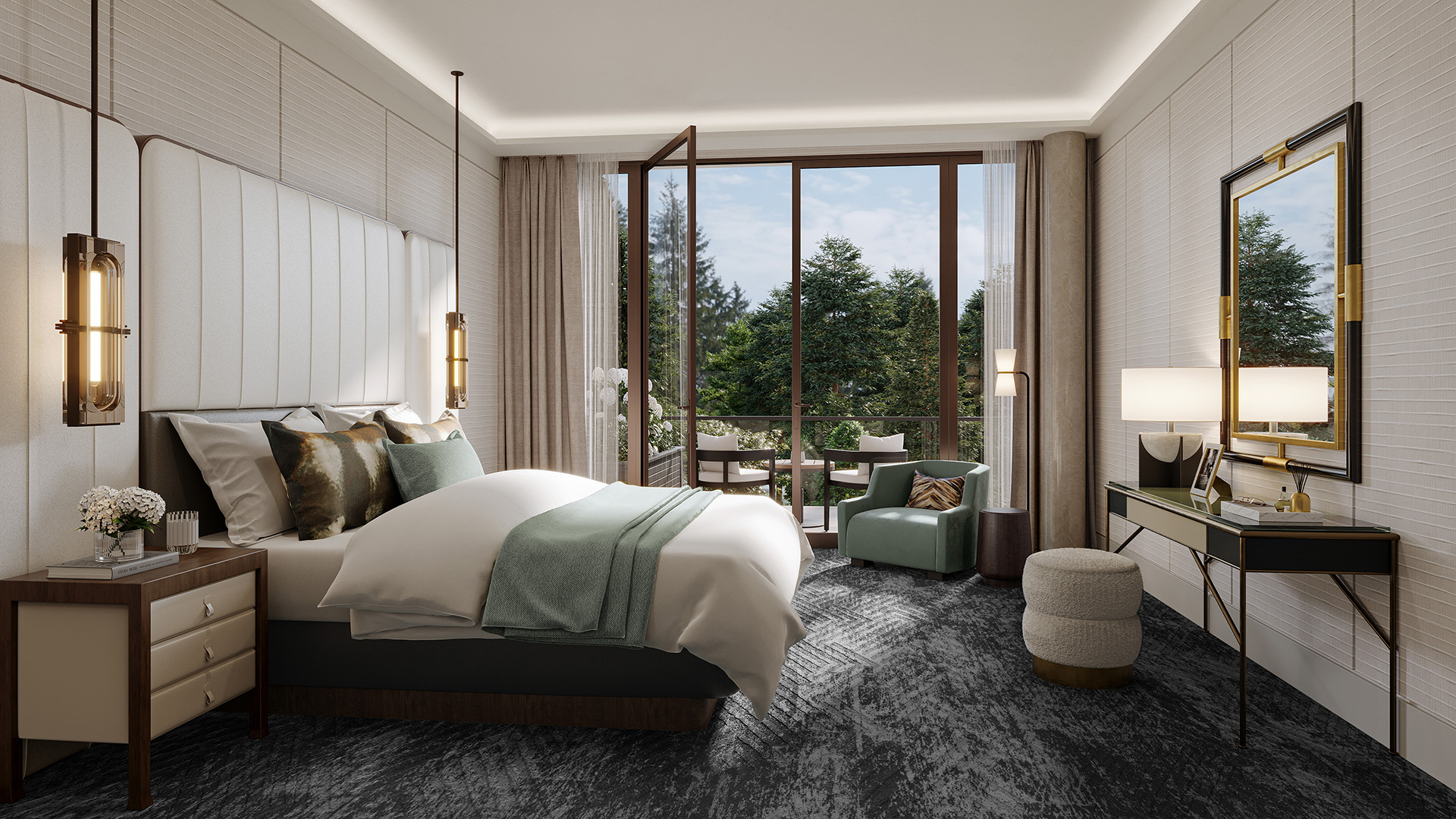
Understanding the Concept of Barrier-Free Living
Barrier-free design means that every part of the home can be reached and used without steps, thresholds, or awkward maneuvering. Wide doors and hallways, level showers, and intuitive controls are just the beginning. The guiding principle is that good design should never draw attention to itself; it should quietly support comfort and independence.
Key elements include:
- Step-free access from street or parking garage to every room and balcony.
- Wide circulation routes — at least 1.20 m in corridors — to allow easy movement.
- Reachable fixtures such as switches, outlets, and window handles positioned for effortless use.
- Logical layouts so kitchens, bathrooms, and living areas flow naturally and reduce strain.

Everyday Advantages Beyond Accessibility
1. Safety
Falls are a leading cause of injury among older adults. Threshold-free entries, slip-resistant flooring, and generous turning radii dramatically reduce risk. Good lighting and smart wayfinding further increase security without sacrificing style.
2. Comfort and Independence
Smooth transitions from room to room, lever door handles, and touch-sensitive controls make daily routines effortless. Residents can move freely, carry groceries, or host guests without worrying about obstacles.
3. Low-Maintenance Living
Modern materials and thoughtful detailing—flush surfaces, durable finishes, easy-clean fixtures—cut down on upkeep. Less time spent on repairs means more time for leisure.
4. Location and Convenience
Barrier-free senior apartments are often located near shops, cultural venues, and public transport. Residents remain connected to the life of the city while enjoying a quiet, private retreat.

According to the Federal Statistical Office (Destatis), over 22 % of the population is already aged 65 or older in 2025, and the number of people aged 80+ is projected to rise from roughly 6 million today to around 9 million by 2040 (Federal Institute for Population Research).
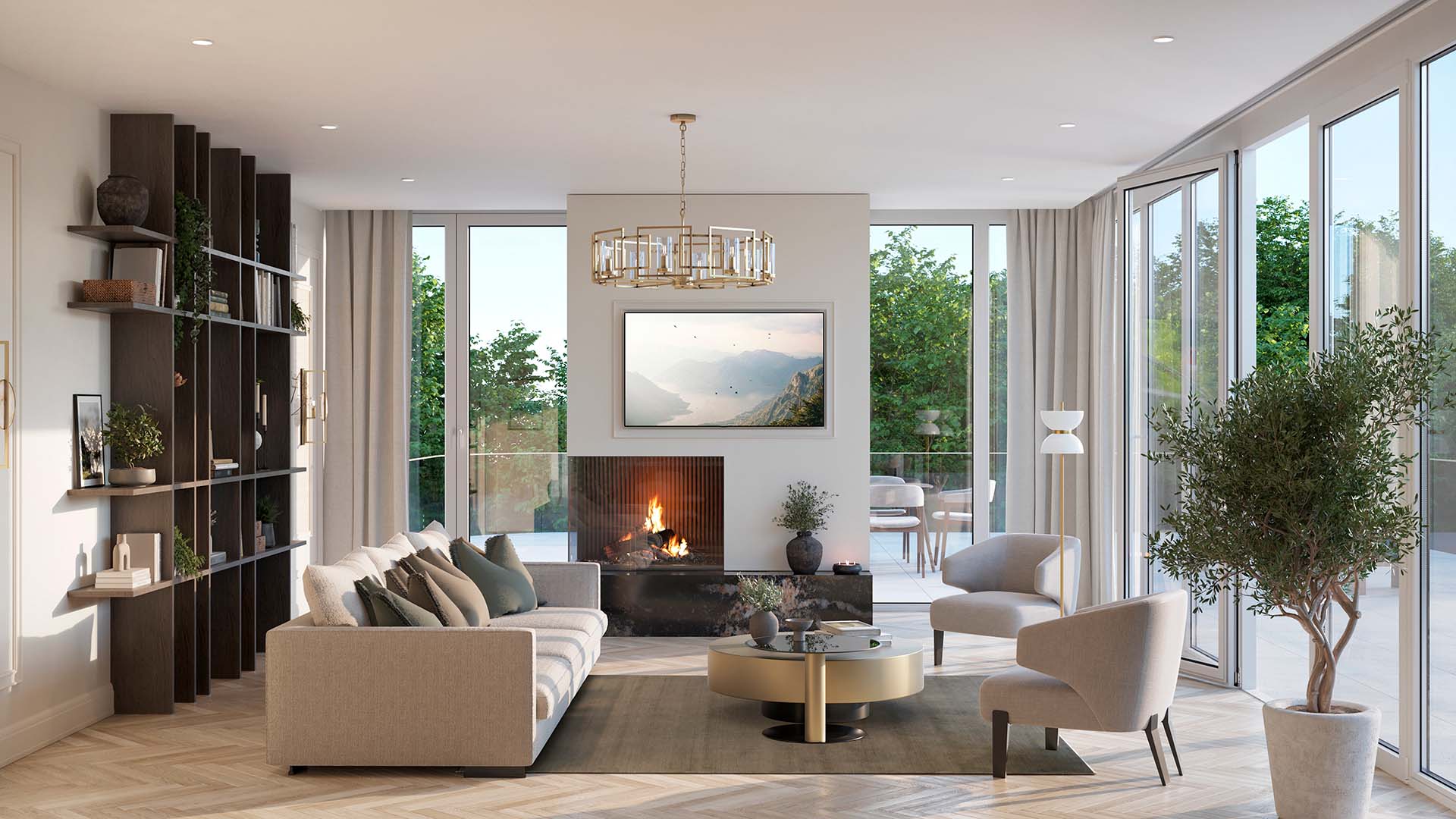
The Design Details That Matter
- Access & Circulation
Entrances are level with the street or underground parking. Hallways and doors are wide enough for a wheelchair but feel natural for everyone. - Doors & Controls
Lever handles, low-resistance doors, and light switches at a comfortable height keep everything within reach—whether carrying a bag of groceries or pushing a stroller. - Kitchen
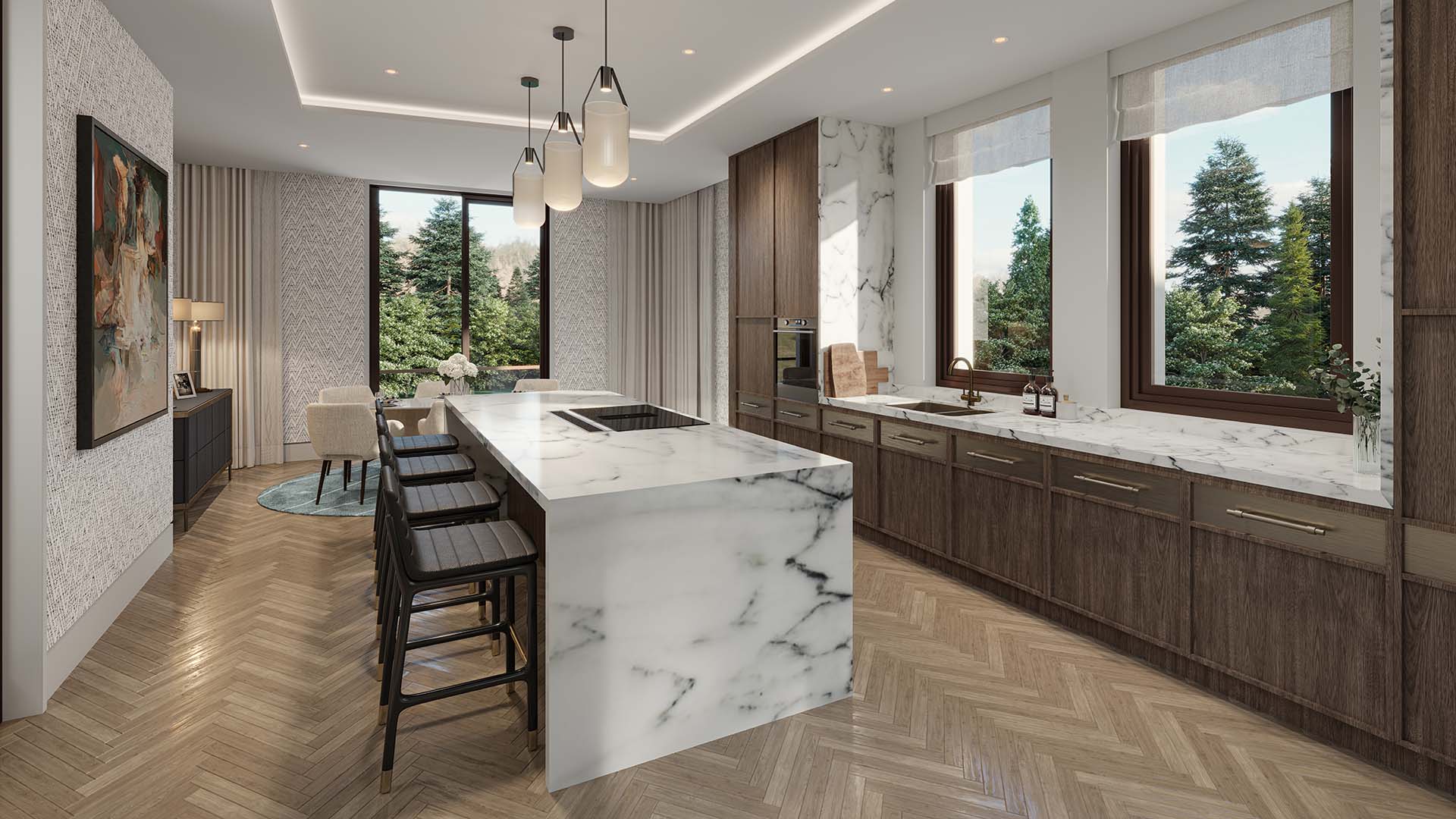
Clear floor space allows freedom of movement. Countertops are positioned to avoid bending or stretching, and task lighting ensures every surface is bright and safe. - Bathroom
A truly barrier-free bathroom features a level-entry shower at least 1.20 × 1.20 m, non-slip tiles, and reinforced walls ready for future grab bars if desired. - Balcony & Outdoor Areas
Threshold-free transitions and secure railings extend the living space without hazards. Residents can enjoy fresh air without navigating steps. - Lighting & Wayfinding
Bright, glare-free illumination and logically placed switches guide movement and reduce eye strain, creating an atmosphere that is both safe and inviting.
Why Demand Keeps Rising
Germany is one of the oldest societies in Europe. According to the Federal Statistical Office (Destatis), over 22% of the population is already aged 65 or older in 2025, and the number of people aged 80+ is projected to rise from roughly 6 million today to around 9 million by 2040 (Federal Institute for Population Research).
Yet suitable housing lags far behind this demographic shift:
- The Federal Ministry for Housing, Urban Development and Building estimates a shortfall of around 2.5 million accessible apartments by 2035.
- Currently, only about 19% of German seniors live in barrier-reduced dwellings, leaving the vast majority in homes that may become impractical as they age.
For buyers, this imbalance creates a compelling opportunity: residences that combine timeless design with verified accessibility offer exceptional long-term value and strong resale potential.
Room-by-Room Checklist: Is a Home Truly Barrier-Free?
Use this quick audit when evaluating a property:
- Entrance – No steps from street or garage to the front door.
- Corridors – Minimum width of 1.20 m with turning space at key points.
- Doors – Clear width of at least 90 cm.
- Kitchen – Continuous work surfaces with clear knee space and slip-resistant flooring.
- Bathroom – Level shower, reinforced walls, easily operated faucets.
- Balcony/Terrace – Threshold-free transition and secure railing height.
- Lighting – Bright, evenly distributed, and glare-free.
- Controls – Switches and outlets reachable without bending or stretching.
- Storage – Shelving heights suitable for easy access.
- Parking to Door Route – Covered, well-lit, and without steps.
A property that meets these criteria delivers everyday ease and strong future market appeal.
Glossary of Key Terms
Barrier-free – A home designed for unrestricted access and use.
DIN 18040-2 – German standard specifying barrier-free requirements for dwellings.
Threshold-free – No raised edges between rooms or between interior and exterior doors.
Annaberg XXI: Barrier-Free Senior Apartments in a Villa Ensemble
Within the private 11,000 m² parkland of Annaberg XXI, six residences — apartments 2.1, 2.3, 2.4, 3.1, 3.2, and 3.3 — are designed for those who value both refined architecture and complete ease of movement.
Barrier-Free by Design
- Step-free access from the underground garage directly to each home via a quiet lift
- Spacious corridors and generous door widths that meet DIN 18040-2 standards
- Level-entry bathrooms and threshold-free balcony transitions for uninterrupted flow
Crafted for Lasting Comfort
All six apartments share Annaberg XXI’s hallmark qualities:
- Energy-efficient KfW-55 construction for low running costs
- Premium finishes throughout — elegant parquet floors, high-quality tiles, and WK3 security entrance doors
- Year-round climate comfort with ceiling-integrated cooling and energy-efficient underfloor heating
- Fabric awnings providing discreet sun protection
Two of these homes — apartments 2.4 and 3.3 — add an extra touch of warmth and character with a wood-burning fireplace, creating a welcoming focal point for living areas.
For discerning buyers seeking residences that combine timeless style with verified barrier-free standards, the Annaberg XXI barrier-free apartments deliver safety, comfort, and enduring elegance—ready to support a lifetime of effortless living.
Sources for statistics and standards
– Federal Statistical Office of Germany (Destatis), Population Data 2025
– Federal Institute for Population Research, Demographic Projections
– Federal Ministry for Housing, Urban Development and Building, Accessible Housing Report 2035
– DIN 18040-2: Accessible building – Design principles – Part 2: Dwellings

The Design Details That Matter
- Access & Circulation
Level entrances from street or garage; wide hallways and doors that suit everyone, including wheelchair users. - Doors & Controls
Easy lever handles, light doors, and switches at a natural height for everyday use. - Kitchen
Spacious layout with ergonomic counters and bright task lighting for comfort and safety. - Bathroom
Level-entry shower (min. 1.20 × 1.20 m), slip-resistant tiles, and walls ready for grab bars. - Balcony & Outdoor Areas
Step-free access and safe railings make outdoor spaces easily usable. - Lighting & Wayfinding
Glare-free lighting and well-placed switches ensure safety and comfort.